


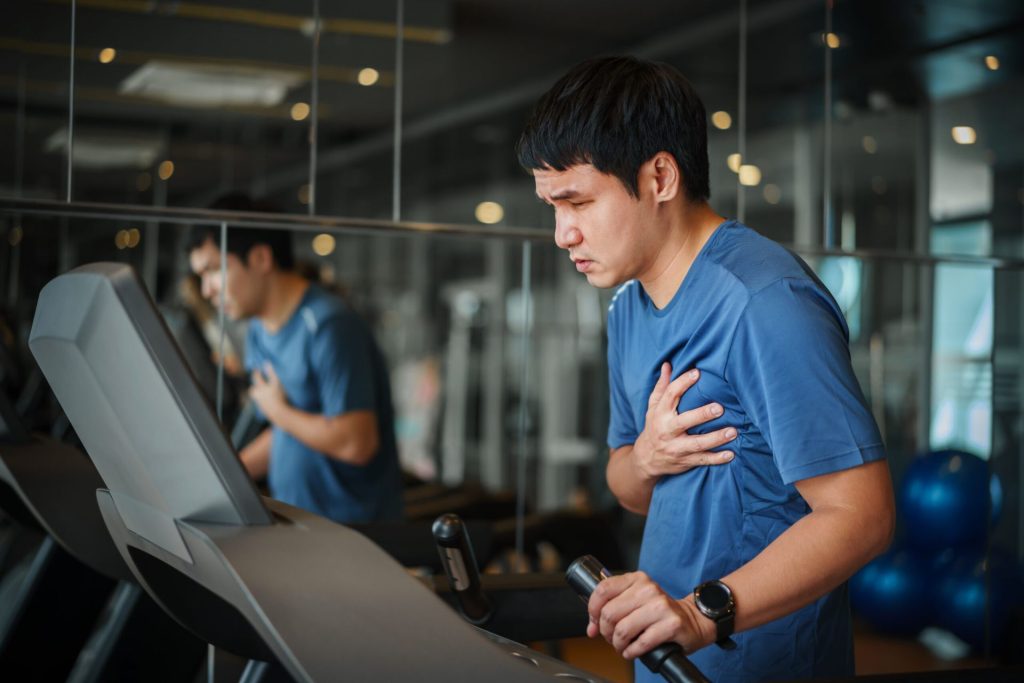
Exercise and Heart Health: Understanding the Risk of Heart Attacks During Gym Workouts
Exercise and Heart Health: Understanding the Risk of Heart Attacks During Gym Workouts
Learn about the relationship between gym workouts and heart attacks, who is at risk, key warning signs, and how to exercise safely. Expert insight from Srikamatchi Medical Centre.
Table of Contents
- Introduction
- Why Exercise Is Good for Your Heart
- Can Gym Workouts Trigger Heart Attacks?
- Who Is at Higher Risk
- Warning Signs to Watch For
- How to Exercise Safely
- When to Get Medical Advice
- Frequently Asked Questions
- Conclusion
Introduction
Exercise is widely recognised as one of the most important lifestyle habits for maintaining heart health. Regular physical activity lowers blood pressure, improves cholesterol levels, supports weight management and reduces overall cardiovascular risk. However, recent reports have highlighted rare but serious instances where intense exercise at the gym has preceded a sudden heart attack or cardiac arrest. It is important to understand why this happens and how to stay safe while pursuing fitness goals.
Why Exercise Is Good for Your Hear
Regular moderate-intensity exercise strengthens the heart muscle, improves circulation, and increases the body’s ability to use oxygen. People who exercise consistently tend to have a lower risk of heart disease, stroke and many chronic conditions. These benefits are well documented and form the foundation of heart-healthy lifestyle advice.
Can Gym Workouts Trigger Heart Attacks?
While exercise is generally beneficial, very intense or sudden physical exertion can stress the cardiovascular system, especially in people who have underlying heart conditions. In rare cases, workouts that involve heavy lifting, high-intensity interval training (HIIT), or abrupt spikes in heart rate can trigger a heart attack or sudden cardiac arrest — particularly when combined with dehydration, electrolyte imbalance or stimulant use.
This does not mean gyms cause heart problems, but rather that the strain of intense activity can reveal an existing but unrecognised condition.
Who Is at Higher Ris
Certain factors make individuals more vulnerable to exercise-related cardiac events:
- Undiagnosed heart disease: Conditions such as coronary artery disease may not show symptoms until provoked by physical stress.
- High blood pressure or high cholesterol: These increase cardiovascular strain.
- Diabetes or obesity: Metabolic disorders contribute to arterial stress.
- Smoking and stimulant use: Tobacco or pre-workout stimulants can raise heart rate and blood pressure.
- Sudden, intense workouts without preparation: Jumping into very high-intensity routines can overwhelm the heart, especially for beginners or those returning after a long break.
Warning Signs to Watch For
Even during exercise, certain symptoms should never be ignored. If you experience any of the following, stop immediately and seek medical help:
- Chest pain or discomfort
- Shortness of breath or difficulty breathing
- Dizziness or fainting
- Unusual fatigue or weakness
- Rapid, irregular heartbeat
- Pain radiating to the shoulder, arm, jaw or back
Recognising these signs early can be lifesaving.
How to Exercise Safely
To reduce the risk of heart-related complications during workouts:
Get a Health Check First
If you have risk factors like hypertension, diabetes, a family history of heart disease, or are over 35, consult a doctor before beginning a high-intensity routine.
Start Gradually
Build up intensity slowly rather than pushing into very high levels unexpectedly. Warm up for at least 5–10 minutes before intense activity.
Stay Hydrated and Balanced
Drink water before, during and after exercise to prevent dehydration and electrolyte imbalance.
Avoid Excessive Stimulants
Pre-workout supplements or excessive caffeine may spike blood pressure and should be used with caution, especially if you have heart risk factors.
Listen to Your Body
If you feel pain, rhythm disturbances or extreme breathlessness, stop exercising and seek advice.
When to Get Medical Advice
Seek professional guidance if you:
- Have known heart conditions or risk factors
- Experience repeated symptoms during or after workouts
- Are planning to start a new, more intense training program
- Haven’t had a recent cardiac check-up
A cardiologist may recommend tests such as ECG, stress test or echocardiography to assess your heart’s readiness for strenuous exercise.
Frequently Asked Questions
Is it safe to work out if I have heart disease?
Exercise can be beneficial but should be supervised by a healthcare provider, with an exercise plan tailored to your condition.
Does exercise increase heart attack risk?
For most people, regular moderate exercise reduces overall heart risk. The increased risk applies only to intense exercise in specific high-risk individuals.
Should everyone get screened before going to the gym?
Not everyone, but people with risk factors or those starting high-intensity routines should consider a health check first.
Conclusion
Gyms and exercise remain powerful tools for improving heart health when approached thoughtfully. While rare cases of heart attacks during intense workouts make headlines, these events are typically linked to underlying conditions or unsafe practices rather than exercise itself. At Srikamatchi Medical Centre, we encourage safe, informed fitness habits and recommend consultation with healthcare professionals before starting new workout plans — especially for individuals with risk factors.
