


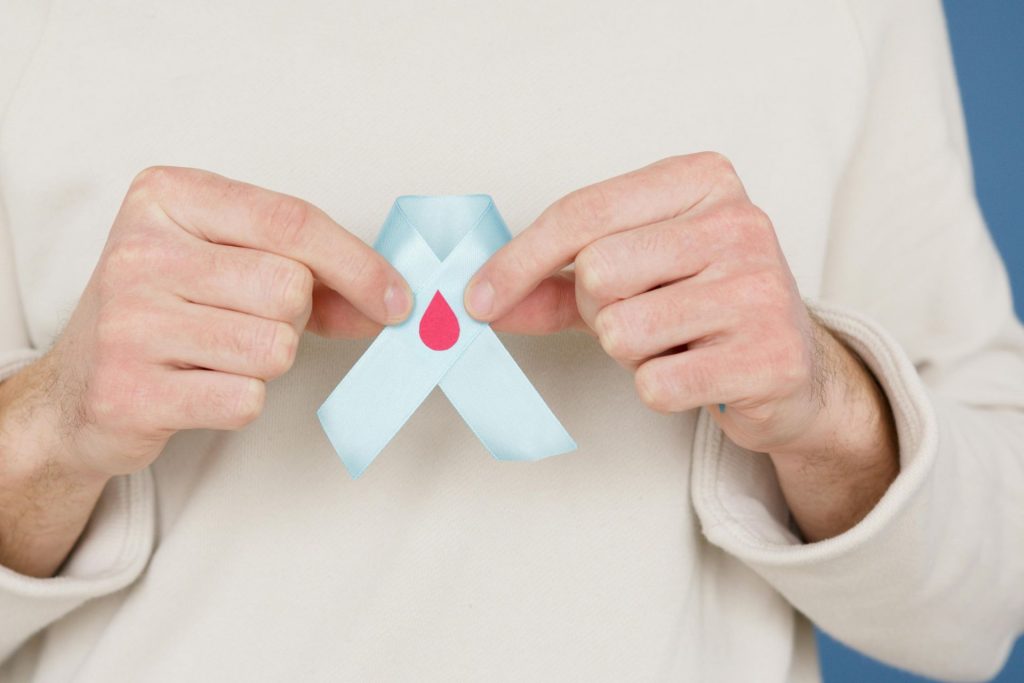
A Complete Guide to Blood Donation: What to Do and What to Avoid
A Complete Guide to Blood Donation: What to Do and What to Avoid
Learn the essential dos and don’ts of blood donation from Srikamatchi Medical Centre. Understand how to prepare before donating blood and how to take care afterward for a safe experience.
Table of Contents
- Introduction
- Why Blood Donation Is Important
- Who Is Eligible to Donate Blood
- Dos Before Blood Donation
- Don’ts Before Blood Donation
- Dos After Blood Donation
- Don’ts After Blood Donation
- Frequently Asked Questions
- Conclusion
Introduction
Blood donation is a simple yet powerful act that plays a crucial role in saving lives. From emergency care and surgeries to cancer treatment and childbirth, donated blood supports countless medical procedures every day. At Srikamatchi Medical Centre, we encourage voluntary blood donation and aim to educate donors on how to prepare and recover safely.
This guide outlines the essential dos and don’ts of blood donation to help ensure a smooth and comfortable experience.
Why Blood Donation Is Important
A single unit of donated blood can help multiple patients. Blood cannot be manufactured and must come from healthy donors. Regular blood donation helps maintain an adequate blood supply for patients who need it urgently due to accidents, surgeries, chronic illnesses, or medical emergencies.
By donating blood, you contribute directly to saving lives and strengthening community healthcare.
Who Is Eligible to Donate Blood?
In general, a blood donor should:
- Be in good overall health
- Meet the minimum age and weight requirements
- Have adequate haemoglobin levels
- Be free from active infections or recent major illnesses
Before donation, the medical team will assess your health status to ensure donation is safe for both you and the recipient.
Dos Before Blood Donation
Get Adequate Rest
A good night’s sleep before donation helps prevent fatigue and dizziness.
Eat a Healthy Meal
Consume a balanced meal a few hours before donating. Include iron-rich foods such as green leafy vegetables, fruits, legumes, or lean meats.
Stay Well Hydrated
Drink plenty of water before your appointment. Proper hydration helps maintain blood pressure and improves recovery.
Inform the Medical Team
Always disclose any medications, recent illnesses, or medical conditions to the healthcare staff before donating.
Wear Comfortable Clothing
Choose clothing with sleeves that can be easily rolled up to allow access to your arm.
Don’ts Before Blood Donation
Avoid Alcohol
Alcohol can dehydrate the body and should be avoided at least 24 hours before donation.
Do Not Skip Meals
Donating blood on an empty stomach may lead to weakness or fainting.
Avoid Heavy Exercise
Strenuous physical activity before donation can increase fatigue and reduce energy levels.
Avoid Fatty or Oily Foods
High-fat foods can affect the quality of donated blood and interfere with screening tests.
Dos After Blood Donation
Rest for a Short While
Sit and relax for a few minutes after donating. If you feel lightheaded, inform the staff immediately.
Drink More Fluids
Increase your fluid intake for the next 24 hours to help your body replenish lost volume.
Eat Nutritious Food
A light snack or meal after donation helps restore energy and stabilize blood sugar levels.
Care for the Needle Site
Keep the bandage on for the recommended time and apply pressure if minor bleeding occurs.
Don’ts After Blood Donation
Avoid Strenuous Activity
Refrain from heavy lifting or intense exercise for at least 24 hours after donation.
Do Not Consume Alcohol Immediately
Alcohol can increase the risk of dehydration and should be avoided after donation.
Do Not Ignore Symptoms
If you experience persistent dizziness, swelling, or pain at the donation site, seek medical advice promptly.
Frequently Asked Questions
How long does blood donation take?
The entire process, including screening and rest time, usually takes about 45 to 60 minutes.
Is blood donation safe?
Yes. Blood donation is safe when conducted under proper medical supervision using sterile equipment.
How often can I donate blood?
Most healthy individuals can donate whole blood once every 8 weeks, subject to medical advice.
Conclusion
Blood donation is a responsible and compassionate act that directly impacts patient care. By following the correct dos and don’ts, donors can ensure a safe and positive experience. At Srikamatchi Medical Centre, our trained medical professionals are committed to making blood donation safe, hygienic, and comfortable for every donor.
If you are eligible, consider becoming a regular blood donor and help save lives.
