


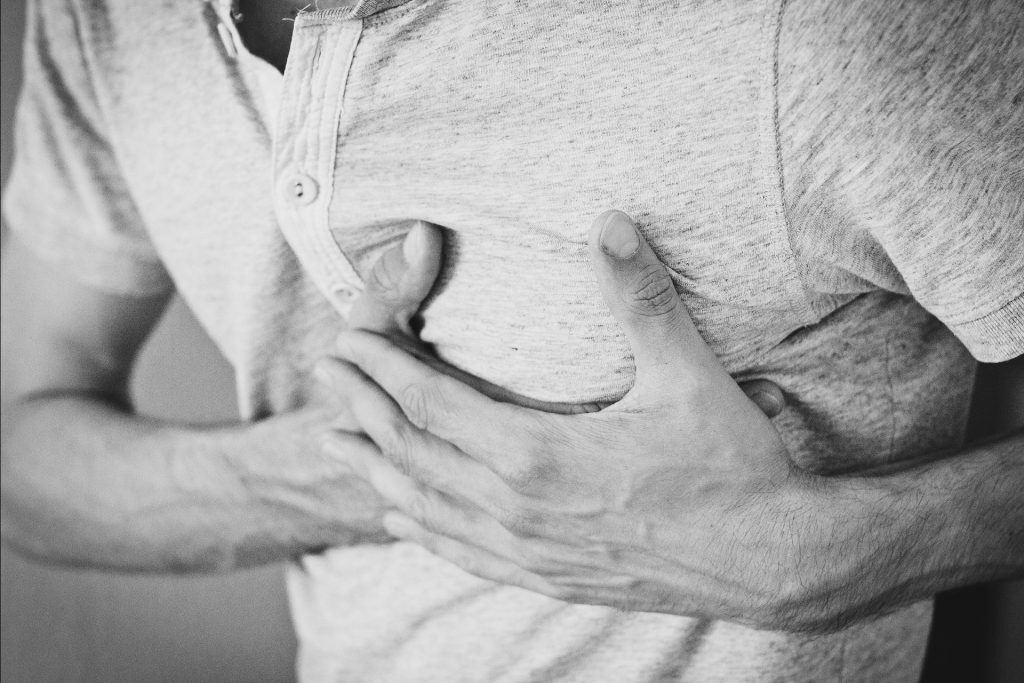
First Aid for Heart Attack: What to Do in an Emergency
First Aid for Heart Attack: What to Do in an Emergency
Table of Contents
- Introduction
- What Is a Heart Attack?
- Recognising the Signs and Symptoms
- First Aid Steps When Someone Is Having a Heart Attack
- What Not to Do in a Heart Attack Emergency
- Why Quick Action Matters
- Frequently Asked Questions
- Conclusion
Introduction
A heart attack is a medical emergency that requires immediate attention. Quick and appropriate first aid can make a significant difference in outcomes, especially in the crucial minutes before professional help arrives. At Srikamatchi Medical Centre, we emphasise the importance of recognising the signs early and responding correctly to improve survival and reduce long-term heart damage.
What Is a Heart Attack?
A heart attack, also known as myocardial infarction, occurs when blood flow to part of the heart is blocked. The heart muscle becomes deprived of oxygen and begins to weaken or die. This is a life-threatening condition and requires immediate medical care.
Recognising the Signs and Symptoms
Knowing the warning signs helps you act quickly. Common symptoms include:
- Persistent chest pain or discomfort that may feel like squeezing, pressure or heaviness
- Pain that spreads to the arm, jaw, neck, or back
- Shortness of breath
- Cold sweats, nausea, dizziness or light-headedness
- Sudden fatigue or feeling unwell without a clear reason
Symptoms may vary between individuals, and in some cases, especially in women, symptoms like fatigue or nausea may be more prominent.
First Aid Steps When Someone Is Having a Heart Attack
1. Call Emergency Services Immediately
Your first action should be to call emergency services (such as 112 in India). Provide clear information about the person’s condition and location. Every minute counts and early professional intervention improves outcomes.
2. Help the Person Sit Comfortably
Encourage them to sit down, preferably with their back supported and knees slightly bent. Keeping them calm and still reduces strain on the heart.
3. Loosen Tight Clothing
Loosen belts, collars, or tight garments to help make breathing easier.
4. Assist With Aspirin (If Appropriate)
If the person is conscious, not allergic, and able to chew, give one adult aspirin (300 mg) to chew slowly. Aspirin helps slow clot formation and supports blood flow. Do not give aspirin if there is a known allergy or bleeding disorder without medical advice.
5. Use Prescribed Medications If Available
If the person has prescribed heart medications such as nitroglycerin, assist them in taking it as directed. Do not use medications that are not prescribed to them.
6. Monitor and Reassure
Stay with the person until help arrives. Keep checking their breathing and responsiveness. Be prepared to provide CPR if they become unresponsive and stop breathing.
What Not to Do in a Heart Attack Emergency
- Do not ignore or delay calling for help, even if symptoms seem mild.
- Do not leave the person alone unless you must make a call.
- Avoid giving food or drink unless prescribed heart medication or aspirin (when appropriate).
- Do not attempt to drive the person to the hospital yourself; wait for emergency services if possible.
Why Quick Action Matter
A heart attack can cause permanent heart damage within minutes. Early medical intervention, including faster administration of lifesaving treatments, significantly improves survival and reduces complications. Responding promptly to symptoms and starting first aid while waiting for emergency care can be lifesaving.
Frequently Asked Questions
Can a heart attack be prevented?
Yes. Lifestyle changes such as controlling high blood pressure, quitting smoking, maintaining a healthy weight, and regular exercise reduce the risk of heart attacks.
Is chewing aspirin safe during a heart attack?
Chewing a standard dose of aspirin (300 mg) can help reduce blood clotting if the person is not allergic and has no contraindications. Always follow medical guidance.
When should CPR be started?
CPR should be started only if the person becomes unconscious and stops breathing. Hands-only CPR, with chest compressions at 100–120 per minute, can support circulation until help arrives.
Conclusion
Heart attacks require urgent and focused response. Recognising the symptoms early, calling emergency services without delay, providing immediate first aid, and ensuring the person is comfortable and monitored are essential steps. At Srikamatchi Medical Centre, we encourage everyone to learn these basic lifesaving measures. Preparedness and prompt action make all the difference in emergency situations.
